































Published 14 October 2026
Last Updated 19 October 2026
Office Security Must-Haves for UK Workplaces in 2026
The UK office has changed a lot over the years, and so have its risks. Hybrid working means fewer people on site on any given
day, more visitors and contractors passing through, and more company data
travelling between home and the office on laptops and phones, which businesses need to
worry about.
At the same time, offices are getting smarter, with sensors,
AI and connected building systems changing how space is used. That makes the
identity layer (the cards, fobs and visitor passes that link people to building
systems) more important than ever, because it tells you who is actually using
your space at any given time.
Below are the office security must-haves for UK businesses this
year, from staff ID and access control to visitor management, CCTV, cyber
security and compliance, along with some of the UK brands worth knowing in each
area.
1. Photo ID Cards and Visible Staff Identification
A clear photo ID card is still the simplest security tool in
any office. When every member of staff wears one, anyone without ID stands out,
and colleagues feel more confident asking an unfamiliar face if they need help.
Design cards that do more than one job
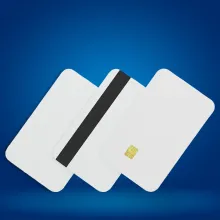
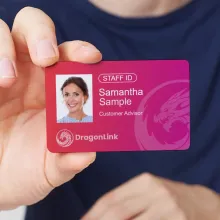
Modern ID cards can carry a photo, name, role, and department
on the front, with a contactless chip inside that doubles as a door key.
Combining identification and access control on one card means fewer things for
staff to carry and fewer credentials for facilities teams to manage.
Print in-house or outsource to a bureau
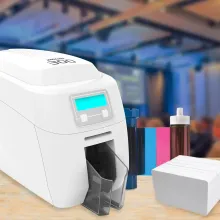
Larger organisations and fast-growing teams often bring
production in-house with a dedicated ID card
printer from brands such as Evolis, Magicard or Zebra, so new starters can
be issued a card on their first morning. Smaller offices that only need
occasional batches can use an ID card printing service instead and avoid the upfront cost
of hardware.
Finish the look with lanyards and holders
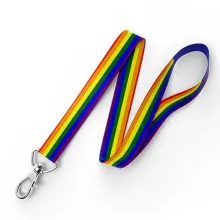
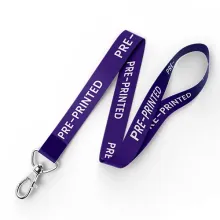
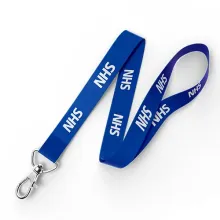
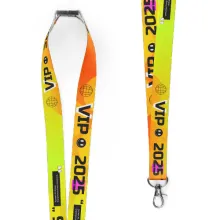
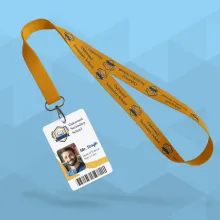
Lanyards keep cards at eye level where they can be seen, and colour coding (for example, one colour for staff, another for contractors and another for visitors) lets anyone see immediately who belongs where. Safety breakaway clips are worth insisting on, and durable ID card holders protect cards from everyday wear so they last longer and scan reliably.
2. Smart Access Control
If ID cards tell people who you are, access control decides
where you can go. Replacing keys with electronic credentials means lost cards
can be cancelled in seconds, access can be limited by role or time of day, and
every door event is logged.
Consider updating 125kHz proximity cards
Many UK offices still rely on legacy 125kHz proximity cards, which is the most appropriate for some businesses. However, upgrading to encrypted smart card technology such as MIFARE DESFire or HID Seos can help secure the premises
further, and many modern readers can still read older cards while you phase
them out.
Consider mobile credentials
Mobile access lets staff open doors with their smartphone or
smartwatch. Solutions such as HID Mobile Access let administrators issue and revoke
credentials remotely through a central portal, which suits hybrid teams and
multi-site businesses. Credentials are tied to a single device and cannot be
copied to another phone.
Choose a system that can grow with you
Popular systems in UK offices include Paxton, SALTO, HID
and ACT. Whichever you pick, check that it integrates with your
visitor management, HR and building systems so that a leaver's access is
removed the moment their contract ends.
Plan it in at the fit-out stage
Access control is far simpler and cheaper to plan during an
office fit-out, when wiring, door hardware and reader positions can be designed
in rather than retrofitted into finished walls and ceilings. If you are moving
or refurbishing your office this year, bring your access control supplier into
the conversation early.
3. Digital Visitor Management
The paper signing-in book at reception is one of the weakest
points in office security. Names are illegible, visitor details are on show to
the next person who signs in, and nobody has an accurate list of who is in the
building if there is an evacuation.
Swap the visitor book for a digital system
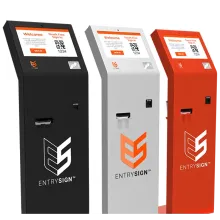
Cloud-based tools such as EntrySign
let visitors pre-register, sign in on a tablet, accept site rules and receive a
printed or digital pass in seconds. Hosts get an automatic notification when
their guest arrives, and reception gets a live record of everyone on site.
Do not forget contractors
Cleaners, engineers and fit-out teams often have more access
than visitors and stay for longer. Dedicated contractor management software can check insurance,
inductions and qualifications before a contractor is allowed through the door,
and issue time-limited passes that stop working when the job is done.
Get ready for Martyn's Law
The Terrorism (Protection of Premises) Act 2025, known as
Martyn's Law, received Royal Assent in April 2025 and is expected to come into force in spring 2027, with the
Security Industry Authority (SIA) acting as regulator. It applies to publicly
accessible premises and events where 200 or more people can be expected at the
same time, so not every office will be in scope. Shared buildings, offices with
public-facing spaces and venues that host events should check now, and an
accurate, real-time record of who is on site will help with any evacuation or
lockdown plan either way.
4. CCTV and Video Intercoms
Cameras deter opportunistic crime, help resolve incidents
and give reception a view of who is at the door before letting them in. In
2026, the best systems are networked, viewable from a phone and linked to
access control so that a door event and the matching footage sit side by side.
Focus cameras where the risk is
Entrances, receptions, loading bays, car parks and server
rooms are the usual priorities. Under UK GDPR, CCTV footage that identifies
people is personal data, so the ICO's video surveillance guidance expects businesses to
have a clear purpose, display signage, keep footage only as long as needed and
avoid areas where staff expect privacy.
Add a video intercom at the front door
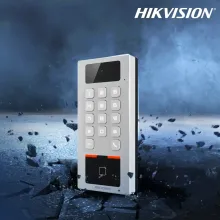
A video intercom lets reception or a remote team see and
speak to callers before granting access, which is especially useful in hybrid
offices where the front desk is not always staffed. ID Card Centre supplies Hikvision
access control, intercom and CCTV products as a Tier 1 distributor.
Use an accredited installer
For larger systems, look for an installer accredited by NSI or SSAIB. Accreditation shows
the company works to recognised British standards, and some insurers ask for
it.
5. Security-Led Office Design and Fit-Out
The most effective security is built into the layout of an
office, not bolted on afterwards. A well-planned space guides visitors
naturally to reception, keeps sensitive areas out of the public flow and makes
it obvious when someone is somewhere they should not be.
Zone your office from public to private
Think of the office in layers from a welcoming public zone
around reception and meeting rooms, to a general staff zone, and restricted
areas such as server rooms, HR offices and stock rooms. Each step inward can
need a different level of access, which your access control system can enforce
automatically.
Design reception as a security checkpoint
Reception should give staff a clear line of sight to the
entrance, room for a visitor sign-in kiosk, and space for visitors to wait
without wandering into the working floor. Speed gates or secure doors just
beyond the desk can stop tailgating without making the space feel unwelcoming.
Connect security to smart building systems
In their guide to workplace
technology trends for 2026, K2 Space explains how motion and visual sensors
can trigger security cameras or access control when unexpected movement is
detected, and how anonymised entry data helps occupiers size desks and meeting
rooms around real hybrid working patterns.
6. Cyber Security and Device Protection
Physical and digital security now overlap. A stolen laptop,
an unlocked screen in a shared space or a tailgater plugging a device into the
network can all lead to a data breach. According to the government's Cyber Security Breaches Survey 2025/2026, 43% of UK
businesses reported a breach or attack in the last 12 months, rising to 65% of
medium and 69% of large businesses, with phishing the most common type.
Get Cyber Essentials certified
Cyber Essentials is the government-backed scheme run by the
National Cyber Security Centre (NCSC). It covers the basics that stop most
common attacks, including firewalls, secure settings, access control, malware
protection and software updates, and is required for many public sector
contracts.
Protect devices in the office and on the move
Hybrid working means laptops travel more than ever. Full
disk encryption, multi-factor authentication and remote wipe tools limit the
damage if a device is lost. In the office, privacy screens and a clear-desk,
clear-screen policy stop sensitive information being seen by visitors.
Link physical and digital identity
Some smart cards can be used for secure printing and
computer log-in as well as door access, so one credential covers both. That
also means a single action can revoke building and system access when someone
leaves.
7. Secure Storage, Privacy and Document Disposal
Hot desking and hybrid working have reduced personal storage
in many offices, which can leave laptops, files and personal belongings in
unsafe places. Good storage and disposal habits close that gap.
Smart lockers for hybrid teams
Smart lockers let staff store belongings and equipment
securely on the days they are in. Many can be opened with the same access card
or phone used for the front door, so there are no keys to lose, and facilities
teams can see which lockers are in use.
Lock away sensitive documents
HR files, contracts and client records should be kept in
lockable cabinets in restricted areas, not in open storage on the main floor. A
clear-desk policy at the end of each day reduces the chance of documents being
left out.
Shred securely
Use confidential waste bins and a shredding provider that
works to BS EN 15713, the British standard for the secure destruction of
confidential material and ask for a certificate of destruction for your
records.
Cover cameras and protect privacy
Simple accessories still make a difference. Tamper-evident cam-block stickers cover laptop and phone
cameras on site and show if they have been removed, which is useful in
sensitive meeting rooms and secure areas.
8. Compliance, Policies and Staff Training
Even the best equipment fails if people prop doors open,
share passes or click on phishing links. Clear policies and regular training
turn security tools into everyday habits.
Handle security data lawfully
Access logs, visitor records and CCTV footage are all
personal data under UK GDPR. Set retention periods, limit who can view records
and update your privacy notices, so staff and visitors know what is collected
and why. The Information
Commissioner's Office (ICO) has practical guidance for small and large
organisations.
Train staff to challenge and report
Short, regular sessions work better than a one-off induction
slide. Cover tailgating, always wearing ID, reporting lost cards straight away
and spotting phishing emails. Free counter-terrorism awareness courses from ProtectUK are a
useful starting point, particularly for organisations preparing for Martyn's
Law.
Run a joiners, movers and leavers process
Many security gaps appear when people change roles or leave.
A simple checklist shared by HR, IT and facilities makes sure ID cards are
issued on day one, access is adjusted when someone moves team, and every
credential is cancelled and collected on their last day.
Review and test regularly
Audit access rights at least once a year, test evacuation
procedures using your live visitor and staff records, and check that CCTV,
readers and intercoms are working as expected.
Building a Secure Office for 2026 and Beyond
Office security in 2026 is about layers working together: a
well-designed space, visible ID, smart access control, digital visitor records,
sensible cyber hygiene and people who know what to do. None of these needs to
be complicated, but each works best when it is planned alongside the others.
If you are planning a move, refurbishment or fit-out,
involve your security suppliers early. For ID cards, access control and visitor
management, contact
the team at ID Card Centre for independent advice on the right solution for
your office.
About the Author

Ben O'Brien
Managing Director
Ben O’Brien is the Managing Director of ID Card Centre and a recognised authority in complex access control applications and eco-friendly identification solutions. Since entering the ID card printing industry in 1998, Ben has led countless projects across sectors, combining deep technical knowledge with a commitment to sustainability and innovation. Under his leadership, ID Card Centre continues to set standards for secure, efficient, and environmentally conscious ID systems.